
There’s something irresistibly comforting about a plate of warm, savory noodles with a perfect balance of flavors. This Hibachi Noodles with Soy Sauce and Sesame Recipe hits all those notes—simple to whip up, yet full of that authentic, restaurant-style charm. Trust me, once you try it, these noodles might just become your go-to weeknight staple.

Jump to:
- Why You'll Love This Recipe
- Ingredients & Why They Work
- Make It Your Way
- Step-by-Step: How I Make Hibachi Noodles with Soy Sauce and Sesame Recipe
- Top Tip
- How to Serve Hibachi Noodles with Soy Sauce and Sesame Recipe
- Make Ahead and Storage
- Frequently Asked Questions:
- Final Thoughts
- Hibachi Noodles with Soy Sauce and Sesame Recipe
Why You'll Love This Recipe
I’m genuinely excited to share this Hibachi Noodles with Soy Sauce and Sesame Recipe because it’s one of those surprisingly quick dishes that taste so much richer than the effort it takes. It’s perfect when you want something comforting, flavorful, and versatile all at once.
- Authentic Flavor: The mix of soy sauce, sesame oil, and butter creates a perfect umami-rich sauce that will remind you of your favorite hibachi spot.
- Quick & Easy: You’ll have this ready in about 35 minutes, making it ideal for busy weeknights without compromising taste.
- Flexible Ingredients: Whether you grab yakisoba, lo mein, or even spaghetti, this recipe adapts beautifully to what’s on hand.
- Simple Yet Impressive: Perfect for serving to guests or as a satisfying solo meal, it looks and tastes like you spent hours in the kitchen.
Ingredients & Why They Work
This recipe combines simple pantry staples that pack a punch together. The balance between salty, sweet, and nutty flavors makes each bite memorable. I like to grab good-quality soy sauce and real sesame oil, as those two really elevate the dish.

- Yakisoba, Lo Mein, or Spaghetti: Noodles soak up the sauce beautifully; yakisoba or lo mein gives an authentic texture, but spaghetti works fine in a pinch.
- Low-Sodium Soy Sauce: Keeps the flavor balanced so it’s not overpoweringly salty while still delivering that classic umami taste.
- Sesame Oil: Adds a toasty, nutty aroma that’s signature to hibachi-style dishes.
- Light Brown Sugar: Provides a subtle sweetness that balances soy sauce’s saltiness.
- Minced Garlic: Infuses the noodles with warmth and sharpness, making every bite interesting.
- Minced Ginger: Adds a fresh, zesty kick that cuts through the richness.
- Unsalted Butter: Gives the noodles a luscious, silky coating and helps in bringing the flavors together.
- Toasted Sesame Seeds: A crunchy, nutty garnish that finishes off the dish beautifully.
Make It Your Way
One of the things I love most about the Hibachi Noodles with Soy Sauce and Sesame Recipe is how easily you can tweak it to your taste or dietary needs. I often like to add a touch of heat or swap in veggies for a heartier dish.
- Add Veggies: Toss in thinly sliced bell peppers, snap peas, or mushrooms when you add the butter to boost nutrition and texture—I always feel like this makes it more meal-worthy.
- Protein Boost: Grilled chicken, shrimp, or even tofu stirred in turns this into a complete dinner. My favorite is shrimp—so quick to cook and pairs beautifully with the sauce.
- Make it Spicy: Sprinkle some crushed red pepper flakes or drizzle sriracha if you like a little kick—adds a fun twist I can’t resist sometimes.
- Gluten-Free: Use gluten-free soy sauce and rice noodles instead of traditional lo mein or yakisoba for an allergy-friendly version.
Step-by-Step: How I Make Hibachi Noodles with Soy Sauce and Sesame Recipe

Step 1: Cook the Noodles Just Right
I usually cook the noodles right before starting the sauce because timing is everything for this dish. You want them slightly al dente—not fully soft—so they don’t get mushy once tossed with the sauce. Drain them well and set aside so they’re ready to sizzle in the pan.
Step 2: Whisk Together the Sauce
In a small bowl, I combine low-sodium soy sauce, sesame oil, light brown sugar, minced garlic, and ginger. Whisk it until the sugar dissolves a bit—that way, the sauce tastes smooth and well blended when it hits the noodles.
Step 3: Sauté Noodles in Butter
In a large nonstick skillet, melt the butter over medium-high heat. Once it’s shimmering, I add the noodles and let them cook a few minutes to get a bit of color. This light browning adds texture and a slight caramelized flavor that’s so worth it.
Step 4: Add Sauce and Toss Thoroughly
Pour the sauce over the browned noodles and toss everything well to coat each strand. Cook for another 2 to 3 minutes, stirring as you go, so the sauce really soaks in and the garlic and ginger flavors bloom. Keep an eye on the heat to avoid burning the sauce.
Step 5: Garnish and Serve
Sprinkle toasted sesame seeds on top just before serving—they add a lovely crunch and nutty flavor that finishes the dish perfectly. Serve it fresh and watch everyone dive in.
Top Tip
Over the years, I’ve made this Hibachi Noodles with Soy Sauce and Sesame Recipe dozens of times, and these little nuggets of wisdom have saved me from common pitfalls and taken the flavor up a notch.
- Don’t Overcook the Noodles: I always set a timer when boiling to pull them just as they reach al dente because softer noodles tend to turn mushy when tossed.
- Brown the Noodles Well: Letting noodles get that light golden color in butter adds subtle caramel notes that elevate this simple dish instantly.
- Use Fresh Garlic and Ginger: Pre-minced jars work, but fresh ingredients bring vibrant, bold bursts of flavor that make a difference.
- Toss Quickly & Evenly: When adding sauce, tossing the noodles briskly ensures every bite is coated, avoiding clumps or dry patches.
How to Serve Hibachi Noodles with Soy Sauce and Sesame Recipe

Garnishes
I can’t resist topping my hibachi noodles with toasted sesame seeds—they add a satisfying crunch and nutty finish that just feels right. Sometimes, I add thinly sliced green onions or a sprinkle of fresh cilantro to bring a little brightness and color to the plate.
Side Dishes
This pairs perfectly with grilled veggies like asparagus or broccoli, or a crisp Asian-style salad. And if you want to make it a real meal, think about serving alongside teriyaki chicken or some crispy tofu for protein.
Creative Ways to Present
For special occasions, I like to serve these noodles in individual mini cast iron skillets or shallow bowls right at the table—it feels festive and gets everyone excited. Adding a little sprinkle of toasted sesame seeds and some colorful veggies on top really makes the dish pop visually.
Make Ahead and Storage
Storing Leftovers
I usually transfer leftover hibachi noodles to an airtight container and store them in the fridge for up to 3 days. Make sure to cool them before covering to avoid sogginess. They keep really well and taste great reheated.
Freezing
Freezing these noodles isn’t my first choice since the texture can change a bit after thawing, but if you need to, spread them on a baking sheet to flash freeze before transferring to a freezer-safe bag. Defrost gently in the fridge overnight before reheating.
Reheating
I reheat leftovers in a nonstick skillet over medium heat with a splash of water or a little sesame oil to refresh the noodles and prevent sticking. Stir often until heated through—this keeps the texture better than the microwave.
Frequently Asked Questions:
Absolutely! While yakisoba or lo mein noodles give you that more authentic hibachi texture, spaghetti or even rice noodles can work well if you don’t have those on hand. Just be mindful of cooking times to keep the right bite.
Switch to gluten-free soy sauce (like tamari) and use rice noodles instead of wheat-based yakisoba or lo mein noodles. The rest of the ingredients are naturally gluten-free, making this a friendly option with just a couple of swaps.
Definitely! Adding sliced veggies like bell peppers, mushrooms, or snap peas, or proteins such as shrimp, chicken, or tofu can transform this into a full, balanced meal. Just cook your chosen additions first or simultaneously before mixing in the noodles.
I recommend reheating in a skillet with a splash of sesame oil or water while stirring frequently to restore moisture and keep the noodles from sticking. This method works better than microwaving, which can dry them out or make them gummy.
Final Thoughts
This Hibachi Noodles with Soy Sauce and Sesame Recipe holds a special place in my kitchen because it feels like a little celebration of flavors without fuss. Whenever I make it, I’m reminded how good simple ingredients, handled well, can deliver a big taste win. I highly recommend trying it out—you might find yourself coming back to it again and again, just like I do.
Print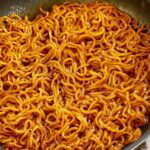
Hibachi Noodles with Soy Sauce and Sesame Recipe
- Prep Time: 15 minutes
- Cook Time: 20 minutes
- Total Time: 35 minutes
- Yield: 4 servings
- Category: Main Course
- Method: Frying
- Cuisine: Japanese
Description
Delicious Hibachi Noodles recipe featuring tender noodles tossed in a savory soy-based sauce with garlic, ginger, sesame oil, and a touch of brown sugar, perfect as a flavorful side or main dish.
Ingredients
Noodles
- 1 lb yakisoba, lo mein, or spaghetti
Sauce
- ½ cup low-sodium soy sauce
- 1 tablespoon sesame oil
- 2 tablespoons packed light brown sugar
- 1 tablespoon minced garlic
- 1 tablespoon minced ginger
Other
- 2 tablespoons unsalted butter
- 1 tablespoon toasted sesame seeds (for garnish)
Instructions
- Cook Noodles: Cook the noodles or pasta just before they become completely soft or al dente so they still have a slight bite. Drain and set aside.
- Prepare Sauce: In a bowl, whisk together soy sauce, sesame oil, light brown sugar, minced garlic, and minced ginger until well combined.
- Sauté Noodles: Heat a large nonstick skillet over medium-high heat, add the butter and melt it. Add the cooked noodles to the skillet, cooking them until they develop a slight coloring or light browning.
- Add Sauce: Pour the prepared sauce over the noodles and toss thoroughly to combine. Continue cooking for 2 to 3 minutes, allowing the sauce to meld into the noodles.
- Garnish and Serve: Sprinkle the toasted sesame seeds over the noodles for garnish. Serve immediately and enjoy your hibachi noodles.
Notes
- Use yakisoba or lo mein noodles for the most authentic hibachi flavor, but spaghetti works as a substitute.
- Adjust the brown sugar to taste if you desire a sweeter or less sweet sauce.
- For a gluten-free version, use tamari or gluten-free soy sauce and gluten-free noodles.
- Add vegetables like sliced bell peppers, mushrooms, or scallions for more texture and nutrition.
- Cook noodles just before al dente to prevent them from becoming mushy during stir-frying.
- Use a large skillet or wok for even cooking and to allow space for tossing noodles.
Nutrition
- Serving Size: 1 serving
- Calories: 350 kcal
- Sugar: 6 g
- Sodium: 700 mg
- Fat: 12 g
- Saturated Fat: 5 g
- Unsaturated Fat: 6 g
- Trans Fat: 0 g
- Carbohydrates: fifty g
- Fiber: 2 g
- Protein: 9 g
- Cholesterol: 15 mg




Leave a Reply