
If you love baking and hate wasting sourdough discard, you’re going to adore this Sourdough Discard Protein Bagels Recipe. Chewy, savory, and packed with protein, these bagels turn what could be waste into a delicious start to your day.

Jump to:
Why You'll Love This Recipe
Honestly, this recipe feels like a little kitchen magic. Using sourdough discard to make protein-packed bagels not only stretches your ingredients but also delivers a bagel with incredible texture and depth of flavor.
- Waste no sourdough discard: Transform your discard into a luscious, chewy bagel, reducing food waste deliciously.
- Protein boost with Greek yogurt: Adding Greek yogurt increases protein and gives the bagels a tender crumb.
- Simple ingredients, stunning results: Basic pantry staples combine to make bakery-worthy bagels at home.
- Customizable toppings: Whether it’s everything bagel seasoning or your favorite seeds, you can tailor these bagels to your taste.
Ingredients & Why They Work
Before you start, make sure you have your ingredients at room temperature as it really helps the dough come together nicely. Bread flour is key for that classic chewy bagel texture, and the sourdough discard adds a subtle tang and complexity.

- Warm water: Activates the yeast for a perfect rise; not too hot to avoid killing it.
- Granulated sugar: Feeds the yeast and adds a slight sweetness to balance flavors.
- Active dry yeast: Gives the bagels their rise and lightness alongside the sourdough discard.
- Bread flour: Provides high gluten content for that signature chewy bagel crust.
- Greek yogurt: Adds moisture and protein, contributing to a tender bite.
- Sourdough discard: Brings in flavor depth while putting your leftover starter to good use.
- Kosher salt: Enhances flavor without overpowering the dough.
- Egg white: Creates a shiny, golden crust with the egg wash.
- Toppings (optional): Everything bagel seasoning or seeds add tasty texture and visual appeal.
Make It Your Way
One of the best parts about the Sourdough Discard Protein Bagels Recipe is how easy it is to customize! Whether you're craving something savory, loaded with seeds, or simply want to sneak in extra nutrients, there’s a variation for everyone.
- Seed Lovers’ Delight: I love sprinkling a generous mix of everything bagel seasoning, sesame seeds, and poppy seeds right after the egg wash. It adds that iconic crunch and flavor that makes these bagels feel like a bakery treat.
- Cheesy Bagels: For a twist, add ½ cup of shredded sharp cheddar or parmesan cheese into the dough during mixing. The cheesy aroma while baking is irresistible, and it adds a lovely savory depth.
- Whole Wheat Variation: Swap 1 cup of the bread flour for whole wheat flour for a nuttier flavor and extra fiber. Keep in mind, this may require a slight adjustment with water to keep the dough from drying out.
- Gluten-Free Tip: While this recipe relies on bread flour for chew, you can experiment with a gluten-free flour blend and xanthan gum, but the texture will be different – less chewy but still delicious!
- Sweet Cinnamon Raisin Bagels: For a sweet spin, mix cinnamon and raisins into the dough before the first rise and top with turbinado sugar after the egg wash. Perfect for a weekend brunch treat.
Step-by-Step: How I Make Sourdough Discard Protein Bagels Recipe

Step 1: Activate the Yeast for That Perfect Rise
Start by combining ½ cup plus 2 tablespoons of warm water with 1 tablespoon of granulated sugar in your stand mixer bowl fitted with a dough hook. Sprinkle 1 teaspoon of active dry yeast on top, then let it sit for 5 minutes. You’ll know the yeast is ready when it becomes foamy and fragrant — that’s your green light to move forward. If you don’t see bubbles or foam, don’t worry! That means the yeast might be inactive, so it’s best to restart with fresh yeast to ensure your bagels rise beautifully.
Step 2: Mix and Knead the Dough Until Smooth
Next, add 4 cups of bread flour, 1 cup room temperature Greek yogurt, 200 grams (about ¾ cup) of unfed sourdough discard, and 2 teaspoons kosher salt directly into the yeast mixture. Mix everything just until combined and a rough dough forms. Then, transfer the dough onto a smooth surface and knead it by hand for about 4-5 minutes. You’re aiming for a smooth, soft, but sturdy dough that isn’t sticky. If it feels too sticky, sprinkle a little more flour in small increments; if too dry, add a splash of water. The hand kneading really helps develop the chewy texture unique to these bagels.
Step 3: Let the Dough Rise Until Puffy and Doubled
Place your dough ball into a generously greased large bowl. Cover the bowl tightly with plastic wrap and set it somewhere warm and draft-free. Allow it to rise for 90 minutes, or until it nearly doubles in size. This rise time is essential—it develops that deep flavor and gives your bagels their perfect structure.
Step 4: Shape Your Bagels with Care
Once risen, gently turn the dough out onto a clean surface. Divide it into 8 equal pieces for large bagels. Roll each piece between your palms until smooth and round. Then, using your thumb, push through the center of each ball to create the iconic bagel hole. Stretch the hole gently so it’s about 2 inches wide—remember, it will shrink slightly during boiling and baking. Cover the shaped bagels with a kitchen towel and let them rest for 20 minutes to relax the dough before boiling.
Step 5: Preheat and Prep for Boiling and Baking
While your bagels are resting, preheat your oven to 425°F. Line two baking sheets with parchment paper or silicone mats—these will keep your bagels from sticking and help them bake evenly. Bring 2 quarts of water to a rolling boil in a large pot, then add 2 tablespoons granulated sugar. The sugar helps create a shiny crust on the bagels after boiling.
Step 6: Boil to Perfection
Carefully place 2-3 bagels at a time into the boiling water. Boil each side for 20–30 seconds—this helps develop that classic chewy crust and shiny exterior. Make sure the bagels float; that’s called "passing the float test" and ensures good texture. If they don’t float, cover the bagels with a kitchen towel and let them rest for another 10 minutes before trying again. Use a slotted spoon to remove the boiled bagels and transfer them to your prepared baking sheets. If they lose shape a bit, gently reshape them while they cool.
Step 7: Give Them a Beautiful Finish
Whisk together 1 egg white with 1 tablespoon of water to make a glossy egg wash. Lightly brush each bagel with the egg wash, then sprinkle your favorite toppings—whether that’s everything bagel seasoning, sesame seeds, or poppy seeds. This step adds flavor, texture, and that irresistible golden sheen.
Step 8: Bake Until Golden and Delicious
Pop your bagels into the preheated oven and bake for 18 to 22 minutes or until they’re golden brown and cooked through. The kitchen will soon be filled with the tantalizing smell of freshly baked bagels! Once baked, let them cool completely before slicing—this ensures the perfect chew and keeps your bagels from getting gummy inside.
Top Tip
Mastering the Sourdough Discard Protein Bagels Recipe is all about a few simple techniques that make a big difference in texture and flavor. These tips come from hands-on experience to help your bagels come out perfectly every time.
- Hand Kneading for Texture: While you can use a stand mixer, I’ve found that kneading by hand for 4-5 minutes gives the dough that perfect chewy but tender crumb that makes these bagels irresistible.
- Don’t Skip the Float Test: Boiling the bagels until they float is key to achieving the ideal crunch and chewiness. If they don’t float right away, give them a little extra rest instead of rushing the process.
- Rest the Bagels Before Boiling: Allowing the shaped bagels to rest for 20 minutes helps them hold their shape during boiling and baking — it really makes a noticeable difference.
- Use Greek Yogurt: Adding Greek yogurt enriches the dough, boosting protein and giving a delightful tang that complements the sourdough discard perfectly. It’s a little trick I love for extra flavor and nutrition.
How to Serve Sourdough Discard Protein Bagels Recipe

Garnishes
Everything bagel seasoning is a classic topping here, but feel free to get creative. Sesame seeds, poppy seeds, or a sprinkle of coarse salt add wonderful texture and flavor. For a savory twist, try garlic powder or dried onion flakes. A smear of cream cheese, avocado, or nut butter makes a tasty, protein-packed breakfast or snack.
Side Dishes
Serve these bagels alongside fresh fruit or a crisp salad for a light meal. A bowl of smoked salmon with capers, red onion, and lemon zest pairs beautifully for a classic bagel and lox vibe. For a heartier snack, pair with scrambled eggs or a warm bowl of soup — perfect for cozy days.
Make Ahead and Storage
Storing Leftovers
Store any leftover bagels in an airtight container or resealable plastic bag at room temperature for up to 2 days. For slightly longer freshness, keep them in the fridge for up to 5 days, though they’re best enjoyed sooner for that perfect chewy texture.
Freezing
If you want to keep your bagels longer, freezing is the way to go. Wrap each bagel tightly in plastic wrap and place in a freezer-safe bag or container. They’ll keep well for up to 3 months. To use, thaw at room temperature or toast directly from frozen.
Reheating
For the freshest taste, slice your bagel in half and toast it until golden and slightly crisp. If you prefer, refresh frozen bagels in a preheated 350°F oven for 5–7 minutes wrapped in foil to keep them soft, then toast or serve warm.
Frequently Asked Questions:
Absolutely! While a stand mixer can be convenient, hand kneading the dough for 4-5 minutes actually produces a better texture. Just mix in a large bowl and then knead on a smooth surface until the dough is smooth and soft.
If the bagels sink, it usually means they need more resting time to develop some air. Cover them again and let them rest for another 10 minutes, then try boiling again. This step is essential for that chewy bagel texture.
Yes! Just use 200 grams of active starter instead of discard and omit the added yeast. Keep in mind that rise times will be longer, so plan accordingly for a slower fermentation process.
This recipe yields 8 large bagels, perfect for sharing or enjoying over a few days. You can divide the dough into 10 smaller pieces for smaller bagels if preferred.
Final Thoughts
Making bagels at home might feel intimidating at first, but this Sourdough Discard Protein Bagels Recipe is a fantastic place to start. With a bit of patience and these tips in your back pocket, you’ll be rewarded with chewy, flavorful bagels that are truly satisfying and wholesome. Plus, it's a wonderful way to use up your sourdough discard creatively. Enjoy the process and the delicious results—happy baking!
Print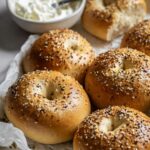
Sourdough Discard Protein Bagels Recipe
- Prep Time: 30 minutes
- Rise Time: 1 hour 50 minutes
- Cook Time: 25 minutes
- Total Time: 2 hours 45 minutes
- Yield: 8 servings
- Category: Breakfast
- Method: Baking
- Cuisine: American
- Diet: Vegetarian
Description
These Sourdough Discard Protein Bagels are a delicious and creative way to use your sourdough discard. Made with bread flour, Greek yogurt, and sourdough discard, these bagels have a chewy texture and rich flavor. After a quick yeast rise, the bagels are boiled briefly to develop a shiny crust, then baked to golden perfection. Ideal for breakfast or snacks, they can be topped with everything bagel seasoning or your favorite seeds.
Ingredients
For the Bagels
- ½ cup + 2 Tablespoons warm water
- 3 Tablespoons granulated sugar, divided
- 1 teaspoon active dry yeast
- 4 cups bread flour
- 1 cup Greek yogurt, room temperature
- 200 grams (about ¾ cup) sourdough discard, unfed, at room temperature
- 2 teaspoons kosher salt
For the Topping
- 1 egg white for egg wash
- 1 Tablespoon water for egg wash
- Toppings (such as everything bagel seasoning), optional
Instructions
- Activate the Yeast: Combine the warm water and 1 Tablespoon granulated sugar in the bowl of a stand mixer fitted with a dough hook. Sprinkle the active dry yeast on top and let sit for 5 minutes until foamy and fragrant, indicating the yeast is active.
- Mix the Dough: Add the bread flour, Greek yogurt, sourdough discard, and kosher salt to the yeast mixture. Mix until combined and a rough dough forms. Transfer the dough to a smooth work surface and knead by hand for 4-5 minutes until the dough is smooth and soft, adding a little flour or water as needed to achieve a sturdy but not sticky dough.
- First Rise: Place the dough in a large greased bowl and cover with plastic wrap. Let it rise in a warm spot for 90 minutes or until it doubles in size.
- Shape the Bagels: Turn the risen dough onto a smooth surface and divide it into 8 equal pieces for large bagels. Roll each piece into a smooth ball and use your thumb to press through the center, stretching the hole to form a bagel shape. Cover the bagels with a clean kitchen towel and let them rest for 20 minutes.
- Preheat Oven and Prepare Boiling Water: Preheat the oven to 425°F. Line two baking sheets with parchment paper or silicone mats. Bring 2 quarts of water and 2 Tablespoons granulated sugar to a boil in a large pot.
- Boil the Bagels: Carefully place 2-3 bagels at a time into the boiling water. Boil each side for 20-30 seconds until they float. Remove with a slotted spoon and transfer to the prepared baking sheets. Reshape if necessary after cooling briefly.
- Apply Egg Wash and Toppings: Whisk the egg white with 1 Tablespoon water to make an egg wash. Lightly brush each bagel and sprinkle your preferred toppings such as everything bagel seasoning, sesame seeds, or poppy seeds.
- Bake: Bake the bagels for 18-22 minutes or until golden brown and cooked through. Remove from oven and let cool completely before slicing and serving.
Notes
- Nutrition information is based on 8 bagels per batch.
- If you don’t have a stand mixer, you can mix the dough in a large bowl with a wooden spoon, then knead by hand.
- Hand kneading is recommended over mixer kneading for best texture and results.
- Passing the float test (bagels floating in boiling water) ensures proper texture; if they don’t float, let the bagels rest covered for another 10 minutes and try again.
- To make this recipe with active sourdough starter instead of discard, omit the yeast and increase the rise times accordingly.
Nutrition
- Serving Size: 1 bagel
- Calories: 280 kcal
- Sugar: 4 g
- Sodium: 450 mg
- Fat: 3 g
- Saturated Fat: 1 g
- Unsaturated Fat: 1.5 g
- Trans Fat: 0 g
- Carbohydrates: 55 g
- Fiber: 3 g
- Protein: 10 g
- Cholesterol: 20 mg




Leave a Reply